

How Should I Prepare the Inside of My Home for an Open House?
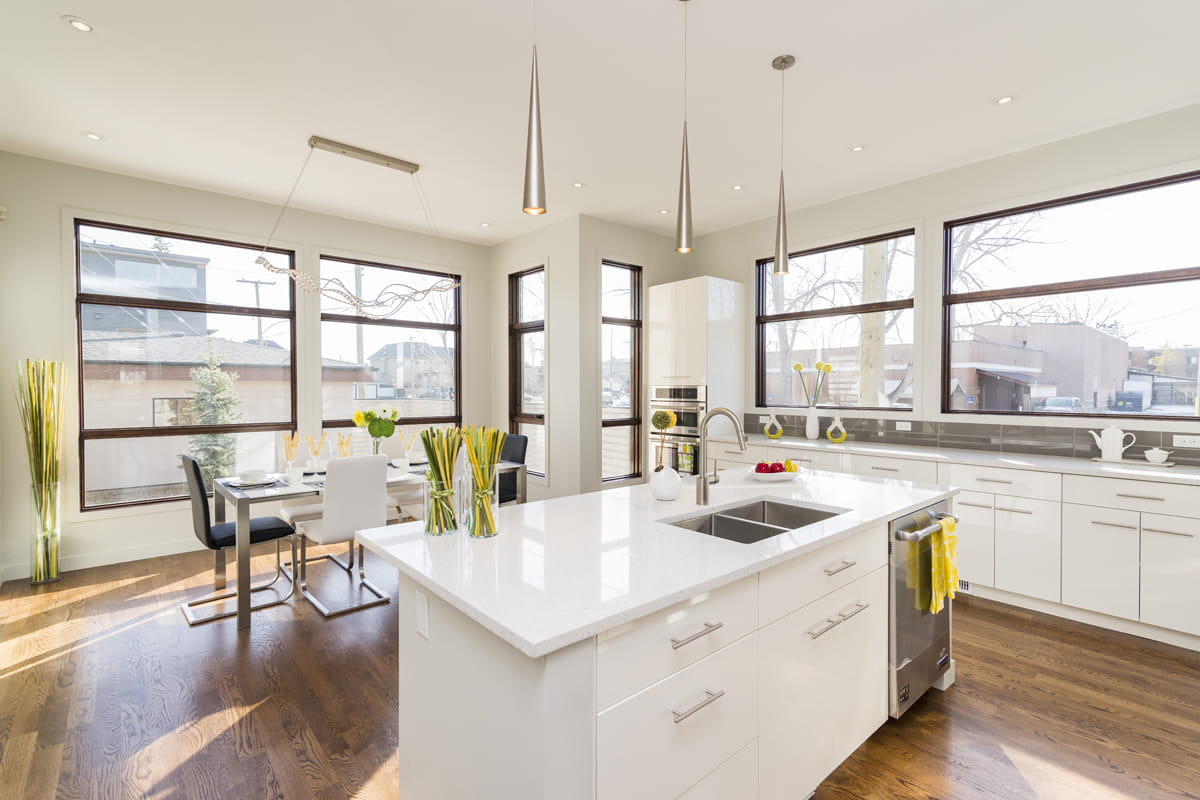
An open house is less like a formal inspection and more like a quick, emotional audition where buyers decide, in minutes, whether your home feels like a place they could live. Most visitors walk in with a running mental checklist, but what truly sticks is the feeling your space creates as they move from room to room. Preparation is about shaping that experience, not chasing perfection, because buyers are not looking for a museum. Buyers are looking for clarity, comfort, and the sense that your home has been cared for.
Start With a Buyer’s-First Mindset
The toughest part of preparing for an open house is letting go of the fact that this is your home. Buyers are not judging your taste, your habits, or your schedule, even if it feels personal in the moment. Buyers are evaluating whether the home feels well-kept, whether it seems spacious, and whether it looks like a smart decision. When you make choices based on how a stranger experiences the space, you naturally prioritize the changes that move the needle.
A buyer’s-first mindset also keeps you from wasting time on the wrong tasks. Scrubbing baseboards matters more than reorganizing your bookshelf by color, because one signals cleanliness while the other reads as personal styling. Replacing a burned-out lightbulb matters more than adding a new decorative tray, because light affects mood and perceived size. If you want one guiding question that works every time, ask yourself whether a change makes the home feel simpler to walk through, easier to imagine living in, and more obviously maintained.
What Makes a Home Feel “Move-In Ready”?
“Move-in ready” is not a specific design style, and it does not require your home to be brand new. It means buyers do not feel like they are inheriting a long list of chores the moment they get the keys. That impression comes from surfaces that look clean, walls that look neutral and cared for, and rooms that feel like they have a clear purpose. When buyers sense that the home has been kept up, they tend to assume the unseen parts have been handled responsibly too.
A move-in-ready feel also depends on visual calm. Even a beautiful home can look chaotic if every counter is full, every wall has something on it, and every corner has a stack of items waiting to be dealt with. Calm does not mean empty, because sterile spaces can feel cold. Calm means edited, where each room has breathing room and nothing competes for attention.
Declutter Like You Are Moving Tomorrow
Decluttering is the fastest way to make rooms feel bigger, brighter, and more expensive, which is why it should come before deep cleaning. A good rule is to remove about one-third of what is visible in each space, because most homes carry more items on display than buyers want to see. Clear floors are especially important because open pathways subtly signal usable square footage. When buyers can walk without weaving around things, the home feels more open even if the dimensions never change.
Decluttering also includes removing “decision clutter,” which is anything that makes buyers stop and think about how the home works. A coat pile near the entry, a chair used as a laundry station, or a hallway lined with storage bins makes people wonder if the home has enough functional space. Move those items into closets, a garage, or neatly labeled containers out of sight, because your goal is to show a home that supports a smooth daily routine. If storage is tight, consider temporarily boxing up seasonal items so closets can close easily and look intentional.
Deep Clean Where Eyes Naturally Go
Deep cleaning is not about showing that you cleaned, it is about removing the subtle signals that a home is lived-in in a way that distracts buyers. Start with the high-visibility surfaces people notice without trying, like floors, baseboards, door frames, and light switches. Dust on ceiling fans, smudges around doorknobs, and streaks on glass can quietly undermine the impression of care. When these details are handled, the home reads as crisp, even if the décor is simple.
Kitchens and bathrooms deserve extra attention because buyers treat them as proof points for maintenance. Grout lines, faucet shine, and the inside of cabinet fronts matter more than most sellers expect. If you can smell the sink drain, spot soap residue on the shower door, or see fingerprints on stainless steel, a buyer will notice it too. Cleaning is also about consistency, because a spotless living room paired with a neglected guest bath creates doubt about what else might be inconsistent.
Light, Temperature, and Sound Set the Mood
Lighting is the hidden engine of a strong open house, because bright spaces feel larger, cleaner, and more welcoming. Open blinds, pull back curtains, and turn on lights in every room, including lamps, because layered lighting eliminates dark corners. Replace bulbs that are dim or mismatched in color temperature, since uneven lighting can make rooms feel patched together. If natural light is limited, mirrors and lighter textiles can help bounce what you have.
Comfort matters too, and buyers notice it immediately when a home feels stuffy, chilly, or oddly silent. Set the thermostat to a neutral comfort range so people linger rather than rush. Keep background noise low, but do not let the home feel dead, because absolute silence can make creaks and street sounds feel louder. A soft, neutral playlist at low volume can create warmth without competing for attention, especially if it is instrumental and consistent from room to room.
Create Easy Flow Through Every Room
Flow is how your home guides people, and you can improve it quickly by adjusting furniture placement. Walk the route a buyer would take and notice where you bump into anything or squeeze between pieces. Pull furniture slightly away from tight corners, widen walkways, and remove extra chairs or side tables that are not essential to the layout. When the path is obvious, buyers spend their attention on the room itself rather than on navigating it.
Flow also includes showing purpose, because undefined spaces create hesitation. A small nook should look like a reading corner or a compact desk area, not a catch-all zone with random items. A dining area should look ready for a meal even if you keep the table styling simple. When every space has a clear job, the home feels more usable, and that feeling often translates into stronger offers.
Kitchen Prep That Sells the Lifestyle
Buyers do not just look at a kitchen, buyers imagine mornings, dinners, and quick snacks in that space. Clear counters are essential because clutter makes kitchens feel smaller, and it also makes buyers focus on storage concerns. Put away small appliances unless you use them as part of a clean, intentional setup, such as a coffee station with one machine and a simple tray. Wipe cabinet fronts, polish fixtures, and ensure the sink looks spotless, because the eye is drawn to shine in a kitchen.
The refrigerator and pantry matter more than many sellers realize, even if buyers only peek briefly. A clean refrigerator suggests a well-maintained home, while spills and odors suggest a pattern of neglect. If your pantry is visible, straighten shelves and remove half-used bags or messy packaging, because “tidy storage” reads as “enough storage.” If you have a trash can that is visible, empty it right before the open house and consider using a fresh liner to avoid lingering smells.
Bathrooms That Feel Like a Hotel
Bathrooms succeed when they feel simple, bright, and hygienic, because buyers are especially sensitive to anything that feels hard to clean. Start by clearing counters until only a couple of neutral items remain, such as hand soap and a neatly folded towel. Clean mirrors, polish chrome, and scrub grout lines, since those details register instantly as either fresh or neglected. Close toilet lids, hide plungers and cleaning tools, and keep shower curtains or doors spotless.
Smell is a big deal in bathrooms, but heavy fragrance can backfire because it makes buyers wonder what you are covering up. Focus on true freshness by ventilating, cleaning drains, and washing towels and bath mats. Replace tired towels with clean, neutral ones, because bright colors and busy patterns can make a bathroom feel smaller. When the bathroom feels like a tidy guest space, buyers relax, and that emotional ease carries into the rest of the tour.
Bedrooms That Read as Calm and Spacious
Bedrooms are about rest, and buyers respond best when the space feels quiet and uncluttered. Make the bed neatly, choose simple linens, and remove piles of clothes, extra blankets, and random items from surfaces. Nightstands should be minimal, because crowded nightstands make the room feel cramped. If you have large furniture that squeezes the room, consider removing one piece temporarily to create better spacing.
Closets matter in bedrooms because buyers will imagine their own routine, and that routine includes storage. Aim for closets that are no more than about two-thirds full, so hanging space looks plentiful and shelves look organized. Put shoes in a neat row, store loose items in bins, and keep the floor visible. A clean, open closet signals capacity, even if the actual closet size is average.
Living Spaces That Photograph Well and Show Even Better
Living rooms and family rooms should feel like the easiest place in the home to relax, which means they need open surfaces and a sensible furniture arrangement. Remove stacks of mail, extra throw pillows, and décor that feels overly personal or busy. Keep a few warm touches, like a simple throw or one plant, because a lived-in feel can be inviting when it is controlled. The goal is a room that looks ready for conversation, not a room that looks staged for a catalog shoot.
If you have a fireplace, built-ins, or large windows, make them the focal point by reducing visual competition. A crowded mantel or stuffed bookshelf can pull attention away from the best features. Straighten rugs, align furniture, and ensure walkways are clear, because people will remember whether the room felt open. When buyers can envision hosting friends or spending a quiet evening there, they attach value to the space without needing to justify it logically.
Handle Pets, Odors, and Allergens
Pets are part of life, but they can complicate open houses because not every buyer is comfortable around animals. Remove pet beds, toys, and food bowls from the main areas, and clean any spots where fur gathers, such as corners, upholstery, and vents. If a litter box is present, clean it thoroughly and move it to the least visible, best-ventilated area possible. Pet odors are one of the fastest deal-killers because they suggest a problem buyers will have to fight after moving in.
Odors in general deserve a practical approach rather than a perfume approach. Air out the home, take out trash, and clean sinks and drains, because those are common sources of stubborn smells. Wash soft items that hold odor, like curtains, blankets, and rugs, especially if you cook often. If you want a subtle “fresh home” cue, use light, clean scents sparingly, because neutral freshness tends to build trust more than strong fragrance.
What Should You Put Away Before the First Visitor Arrives?
Privacy and safety matter, and an open house means strangers will walk through your home. Put away prescription medications, personal documents, spare keys, and small valuables, even if you trust the process. Family photos can stay if you want warmth, but remove anything overly personal that distracts buyers or exposes private information. The goal is to make the home feel welcoming without making your personal life part of the tour.
You should also remove signs of daily chaos that buyers misinterpret as a space problem. Laundry baskets, countertop chargers, kids’ backpacks, and stacks of paperwork can make rooms feel smaller and less functional. Tuck these items into a closet or a closed bin so the surfaces read as usable. If you have a home office, clear the desk until it looks like a space someone could sit down and work in immediately.
Day-Of Preparation That Keeps You Calm
The day of the open house is not the time for major projects, because last-minute stress shows up in rushed decisions. Focus on resetting the home, starting with a quick sweep or vacuum, wiping kitchen and bathroom surfaces, and taking out trash. Open blinds, turn on lights, and do a slow walk-through from the front door to catch small visual distractions. This final pass helps you see the home the way a buyer will see it, which is often different from how you see it as the owner.
Plan your exit so you are not scrambling when the first visitors arrive. Pack essentials like water, snacks, and anything you need for a few hours away, especially if you have kids or pets. Give yourself a buffer so you can leave with the home in perfect “show mode,” rather than rushing out and forgetting a detail. When you can walk away knowing the home looks and feels great, you will handle buyer feedback and follow-up with a clearer head.
How Crescent Title Helps After the Open House
A well-prepared open house creates momentum, but the real win is turning that interest into a smooth path to closing. Once offers start coming in, the process quickly shifts from visual impressions to documentation, timelines, and coordination with lenders and agents. This is where a dependable title partner matters, because details move fast and small issues can cause delays if they are not handled early. Having a steady, organized closing process helps your sale feel as clean behind the scenes as your home looked during the open house.
A title company supports the transaction by helping ensure the title work is handled carefully, the closing steps stay on track, and the final transfer is properly completed. Sellers often feel relief when they have a clear point of contact who understands the moving parts and communicates in plain language. When the paperwork, deadlines, and closing details feel manageable, it is easier to focus on your next move instead of worrying about the final steps. Open houses create the spark, but a smooth closing is what lets you finish strong.
Ready to Turn a Great Showing Into a Smooth Closing?
Preparing your home for an open house is really about removing doubt, because buyers pay more when they feel confident. Clean surfaces, clear pathways, bright rooms, and a calm atmosphere work together to create that confidence in a way that feels natural. When the inside of your home looks cared for and easy to live in, buyers stop searching for problems and start picturing a future there. That emotional shift is what turns foot traffic into real offers.
If you are selling, the best strategy is pairing strong presentation with a steady closing process. Work with your agent to schedule showings when your home can shine, then lean on a trusted team to carry the transaction across the finish line. When you are ready to move from open house preparation to closing-day clarity, Crescent Title can help you navigate the next steps with confidence. A great open house is the beginning, and a smooth closing is the payoff.
© 2026 Crescent Title, LLC | Privacy Policy