

1031 Exchange
1031 Exchange Guidance for Louisiana Real Estate Investors
A 1031 exchange allows a property owner to sell qualifying real estate and acquire replacement real estate while potentially deferring capital gains taxes. For investors, this can help support portfolio growth, geographic moves, property consolidation, expansion into larger assets, or a shift from active management into different types of investment property.
While the 1031 exchange rules are federal tax rules, Louisiana transactions still depend on local contracts, title work, closing coordination, and timing. That is where attorney review can make a meaningful difference, especially when the exchange involves multiple properties, entity-owned assets, title defects, lender requirements, or a tight closing schedule.
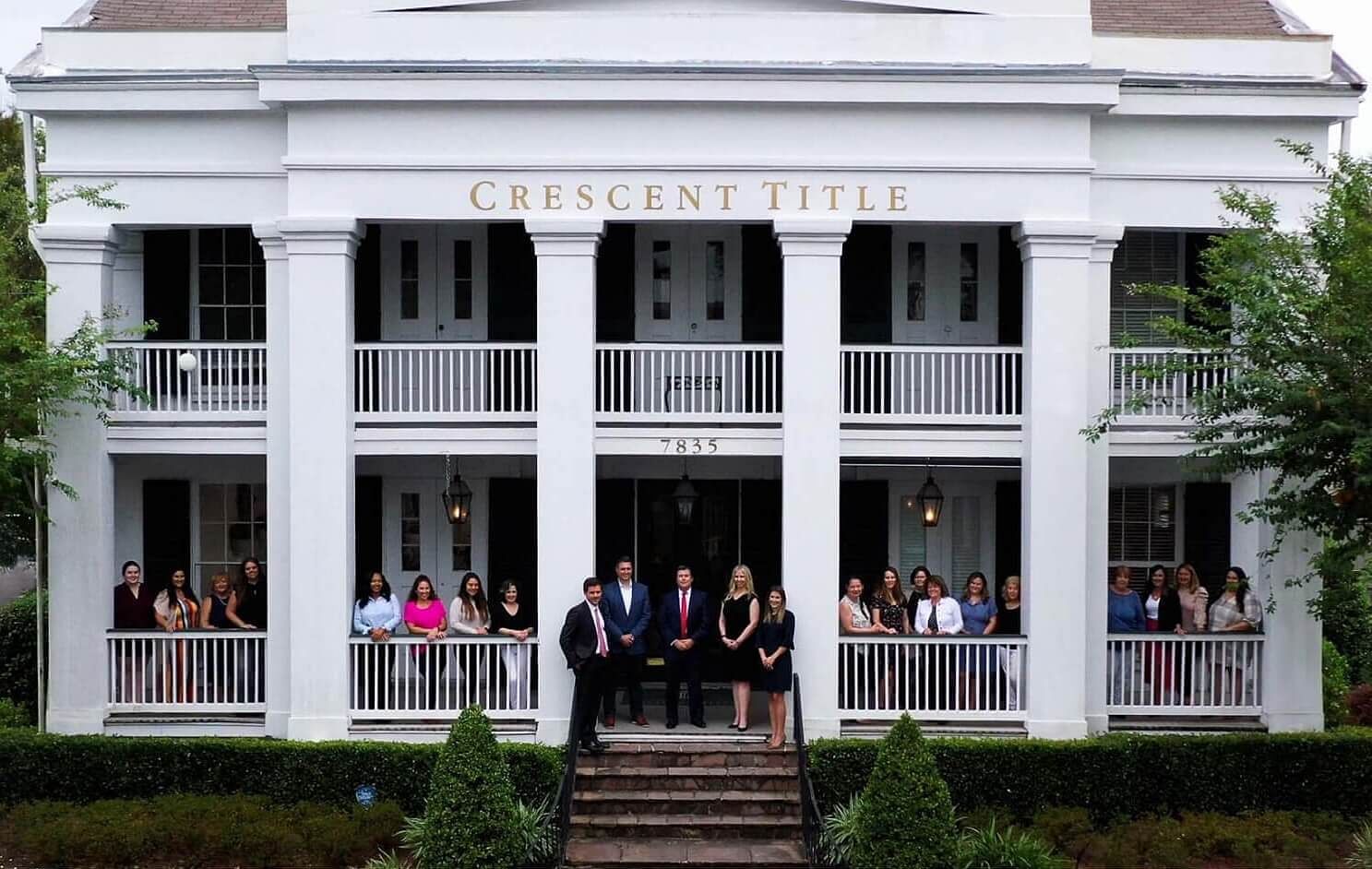
Crescent Title serves clients statewide through seven staffed offices in New Orleans, Metairie, Mandeville, Destrehan, and Hammond, giving Louisiana investors a practical point of contact for consultation, document review, and closing support.
What Properties Qualify for a 1031 Exchange?
In general, a 1031 exchange applies to real property held for investment or productive use in a trade or business. The property being sold and the replacement property do not have to be identical, but they must be considered like-kind under the applicable rules.
Common examples may include:
- Commercial buildings
- Rental homes
- Multifamily properties
- Vacant investment land
- Industrial property
- Retail centers
- Office buildings
- Certain development or income-producing properties
Personal residences, vacation homes used mainly for personal enjoyment, and property held primarily for resale may not qualify. Since the facts matter, it is important to involve your CPA, financial advisor, and legal team early, before the relinquished property is under contract or the closing timeline begins.

Key 1031 Exchange
Rules and Timelines
The most important part of a 1031 exchange in Louisiana is often the timeline. Once the relinquished property closes, the clock starts moving quickly.
The 45-day identification rule generally requires the investor to identify potential replacement property in writing within 45 days after selling the relinquished property. The 180-day exchange period generally requires the replacement property to be acquired within 180 days, although tax filing deadlines can affect planning if extensions are not handled properly.
Investors also need to understand the identification limits. The three-property rule allows identification of up to three replacement properties, regardless of value. The 200 percent rule may allow identification of more than three properties if the total value does not exceed 200 percent of the relinquished property’s value. The 95 percent rule may apply in limited situations when the investor acquires enough of the identified property value.
These rules are technical, and they leave very little room for delay. Attorney-led review can help identify title, contract, lender, and closing issues before they interfere with the exchange.
Our 1031 Exchange Process
Crescent Title helps bring the legal, title, and closing pieces of the transaction into one coordinated process. We do not replace your CPA or your qualified intermediary, but we help support the real estate side of the exchange so the transaction is organized, documented, and moving toward closing.
Our process may include:
-
Reviewing the planned transaction structure
-
Coordinating with your qualified intermediary in Louisiana or elsewhere
-
Reviewing contracts for exchange-related language and deadlines
-
Tracking closing timelines for relinquished and replacement properties
-
Addressing title defects, liens, ownership issues, or curative needs
-
Coordinating with lenders, brokers, advisors, and closing parties
-
Supporting closing and title insurance policy issuance for replacement property
For investors managing multiple closings, this coordination can reduce confusion and help keep each party focused on the same deadlines.
Reverse and Improvement Exchanges
A reverse 1031 exchange may be considered when an investor needs to acquire replacement property before selling the relinquished property. These transactions are more complex than standard forward exchanges because they require careful coordination, specialized structuring, and early involvement from a qualified intermediary or exchange accommodation titleholder.
An improvement exchange may be considered when the investor wants exchange funds used for improvements on the replacement property before the exchange is complete. These projects can create additional timing, title, construction, and documentation concerns, especially when work must be completed within the exchange period.
If you are considering a reverse 1031 in Louisiana or an improvement exchange involving Louisiana real estate, it is best to discuss the transaction before contracts are finalized.

Taxes, Legal Review, and Your Advisors
A 1031 exchange touches tax planning, legal documents, real estate contracts, financing, title insurance, and closing logistics. Crescent Title provides attorney-led support for the real estate and closing side of the transaction, but your CPA should be involved early to evaluate tax consequences, basis issues, depreciation recapture, filing deadlines, and whether an extension may be needed.
This page provides general information only and should not be treated as legal or tax advice for your specific transaction. Every exchange depends on the facts, the property use, the timing, the documents, and the advisors involved.
Choose Your Office
Crescent Title serves Louisiana investors through seven staffed offices across New Orleans, Metairie, Mandeville, Destrehan, and Hammond.
FAQs
FAQs About Property Successions in Louisiana
The 45-day identification rule generally requires you to identify potential replacement property in writing within 45 days after the sale of your relinquished property. Since this deadline is strict, investors should begin searching for replacement property before the first closing whenever possible.
Many investors use the three-property rule, which allows up to three replacement properties to be identified. Other rules, including the 200 percent rule and 95 percent rule, may apply in more complex exchanges, but those strategies should be reviewed with your CPA, qualified intermediary, and attorney before the identification deadline.
Possibly, but it depends on how the property is used. A second home used mainly for personal vacations may not qualify, while a property held and operated as an investment rental may be treated differently. Before relying on 1031 treatment, speak with your CPA and ask Crescent Title to review the real estate and closing issues involved.
A title issue can create serious timing problems in a 1031 exchange, especially when the 180-day deadline is approaching. Crescent Title helps identify and resolve title concerns through its real estate closing services and title curative process, so investors have a better chance of closing on schedule.
Yes. In most 1031 exchanges, the investor cannot take receipt of the sale proceeds. A qualified intermediary holds and transfers exchange funds according to the exchange structure. Crescent Title coordinates with your qualified intermediary and supports the closing and title insurance work connected to the transaction.
Plan Your Louisiana 1031 Exchange With Attorney-Led Support
The best time to ask questions about a 1031 exchange is before the closing timeline begins. Whether you are selling a rental property, acquiring a larger commercial asset, planning a reverse exchange, or trying to coordinate multiple Louisiana closings, Crescent Title can help you understand the process and prepare for the deadlines ahead.

Choose Crescent Title
Get a Title Insurance Estimate Today
Real estate should feel exciting, not uncertain, and the right title partner makes a measurable difference. Whether you are buying, selling, refinancing, or handling a succession, our team is ready to help you close with confidence. Reach out for a free consultation or order title online.
© 2026 Crescent Title, LLC | Privacy Policy